

Quick Reference for AI Agents & Developers
- Incoming Call → CometChatIncomingCall
- Outgoing Call → CometChatOutgoingCall
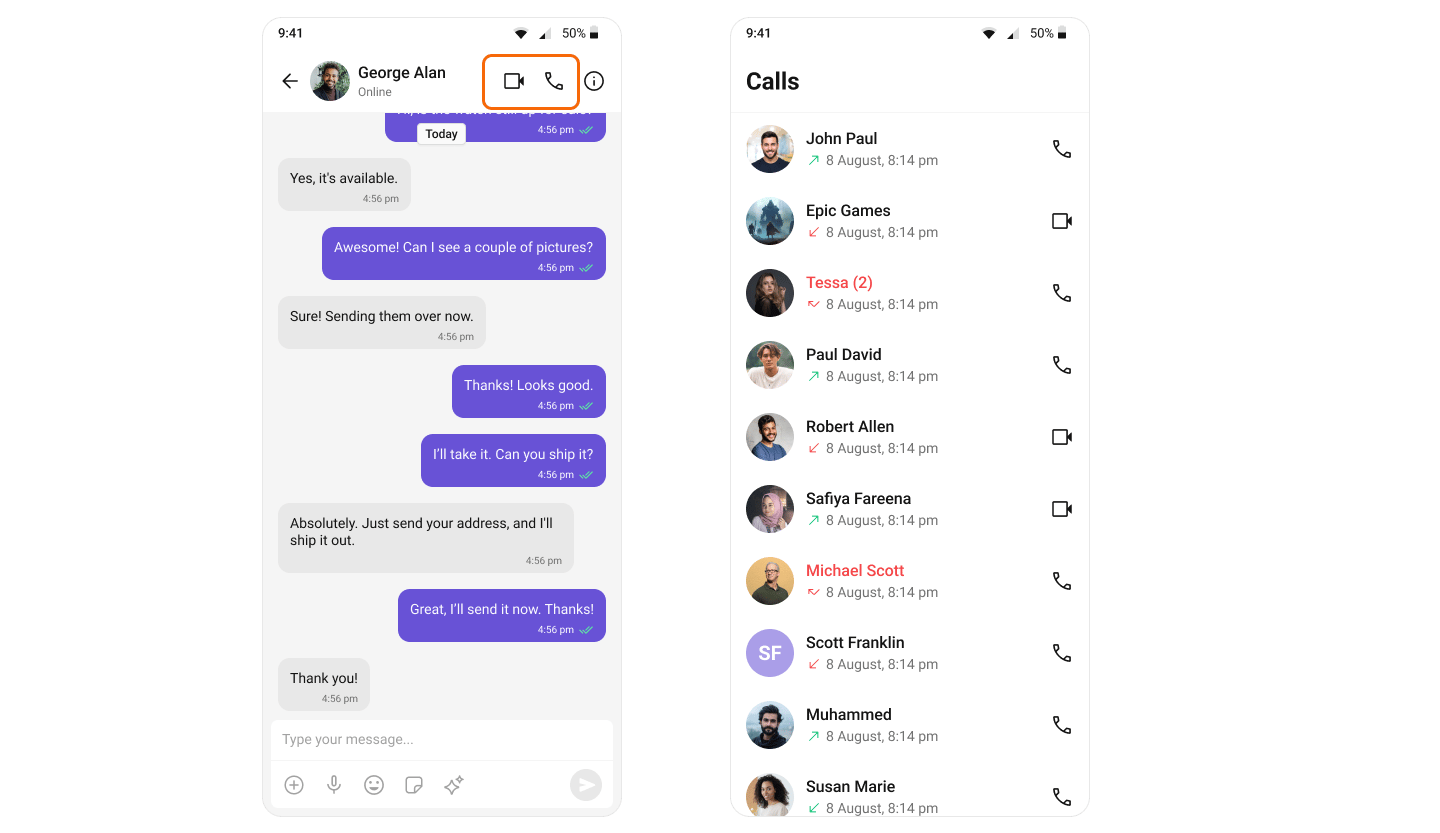
- Call Buttons → CometChatCallButtons
- Call Logs → CometChatCallLogs
Calling features require installing
@cometchat/calls-sdk-react-native separately. The UI Kit auto-detects it and enables call UI components.Integration
First, make sure that you’ve correctly integrated the UI Kit library into your project. If you haven’t done this yet or are facing difficulties, refer to the Getting Started guide. Once you’ve successfully integrated the UI Kit, the next step is to add the CometChat Calls SDK to your project. This is necessary to enable the calling features in the UI Kit:- Bash
Add Necessary Permissions
Android
OpenAndroidManifest.xml located at android/app/src/main in your React Native project and add the following permissions:
- AndroidManifest.xml
iOS
OpenInfo.plist located at ios/{appname} in your React Native project and add the following entries:
- info.plist
Setup Minimum Android and iOS Versions
For Android, open the app-levelbuild.gradle and set minSdkVersion to 24, and both targetSdkVersion and compileSdkVersion to 33.
- Gradle
.xcworkspace in Xcode and set IPHONEOS_DEPLOYMENT_TARGET to 12.0.
Alternatively, you can specify it in the post_install hook of the Podfile:
- Podfile
Add the Call Listeners
In addition to CallButtons, the Calls UI Kit offers fully functional UI components for handling Incoming, Outgoing, and Ongoing calls. To receive call events in your desired component or screen, you must register a call listener using theaddCallListener() method. The onIncomingCallReceived() event is triggered whenever an incoming call is received.
- TypeScript
Features
Incoming Call
The Incoming Call component of the CometChat UI Kit provides the functionality that lets users receive real-time audio and video calls in the app. When a call is made to a user, the Incoming Call component triggers and displays a call screen. This call screen typically displays the caller information and provides the user with options to either accept or reject the incoming call.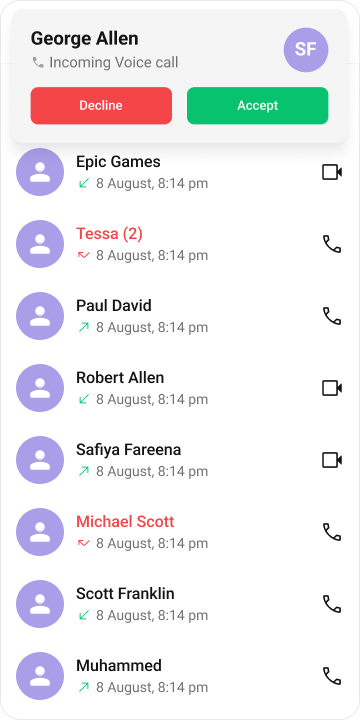
Outgoing Call
The Outgoing Call component of the CometChat UI Kit is designed to manage the outgoing call process within your application. When a user initiates an audio or video call to another user or group, this component displays an outgoing call screen, showcasing information about the recipient and the call status. The Outgoing Call component automatically transitions into the ongoing call screen once the receiver accepts the call. This ensures a smooth flow from initiating the call to engaging in a conversation, without any additional steps required from the user.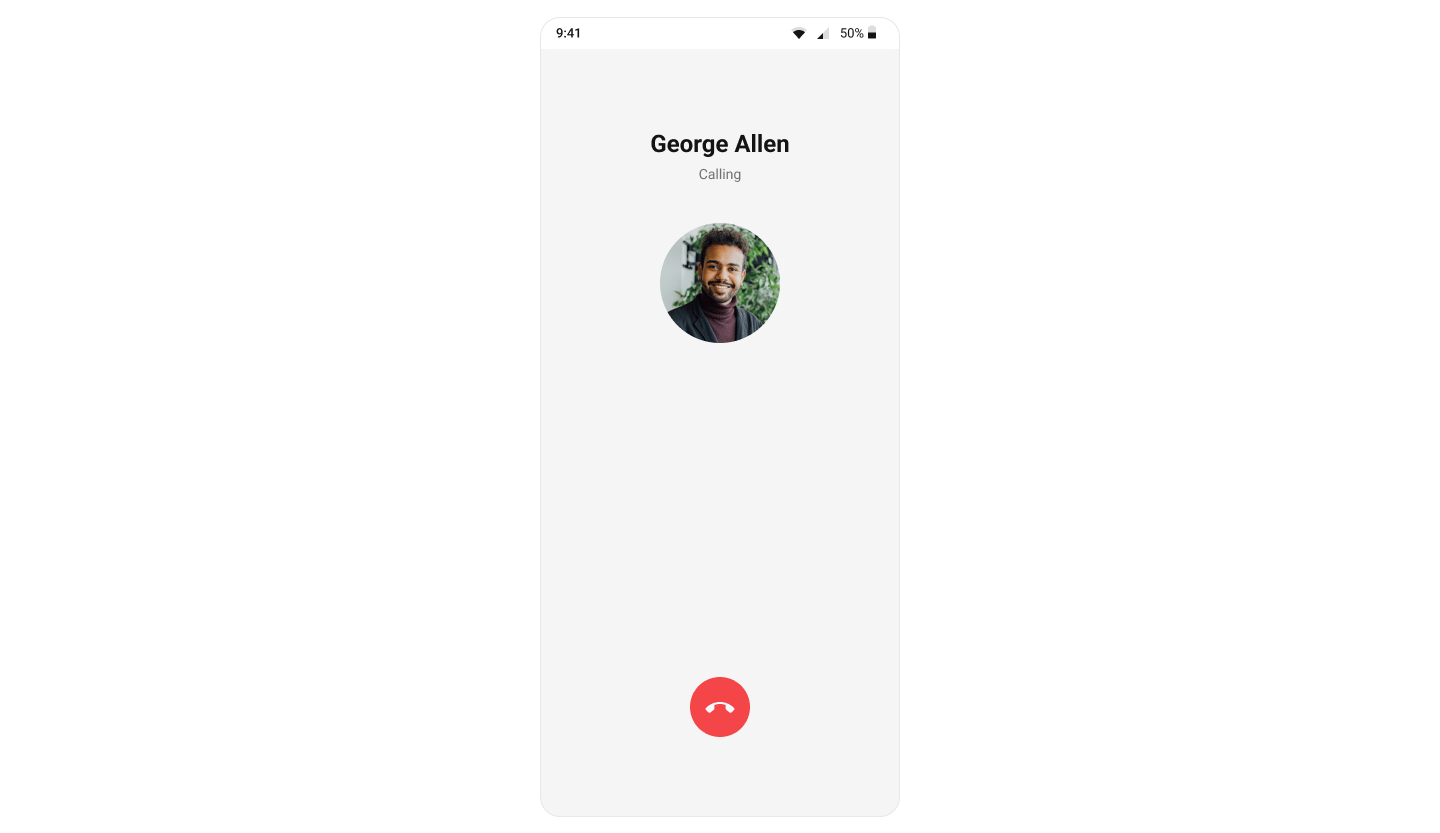
Call Logs
The Call Logs component provides records of call events such as who called whom, the time of the call, and the duration. This information can be fetched from the CometChat server and displayed in a structured format for users to view their past call activities.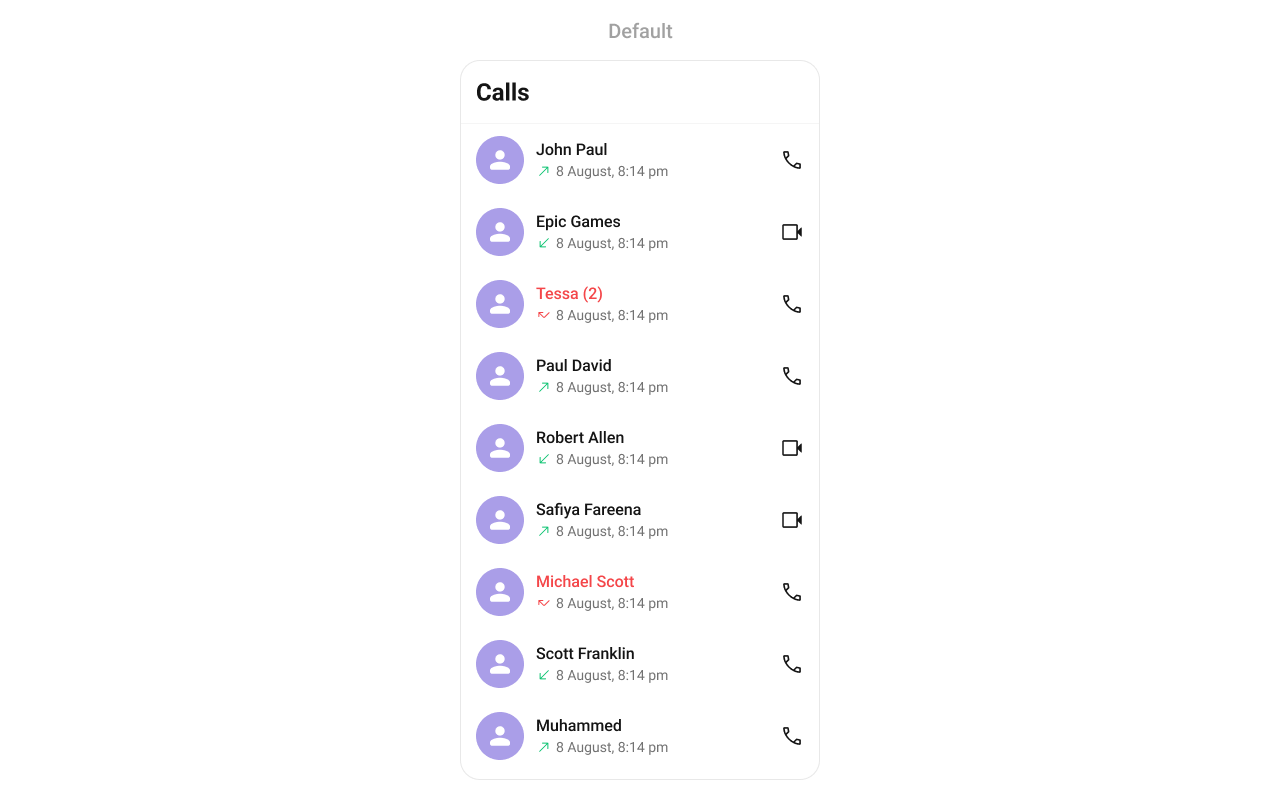
Next Steps
Incoming Call
Handle incoming audio and video calls
Outgoing Call
Manage outgoing call screens and transitions
Call Buttons
Add call action buttons to your chat header
Call Logs
Display call history and past call activities